
Helpful Problem-Solving for 7326672713 When Issues Become Persistent
Persistent problems can wear on anyone, and a calm, structured approach helps. Gather concrete facts about what’s happening, when it occurs, and how it affects daily life. Build a repeatable troubleshooting framework that respects experience while testing small, observable steps. Pair this with a personal prevention plan to reduce recurrence and burnout. If patterns persist, know when to seek external support, and align all findings into a clear, compassionate action plan that invites the next step.
Gather Facts: What’s Happening, When, and How It Impacts You
Gathering facts begins with a clear snapshot of the situation: what is happening, when it started, and how it affects the person involved.
The approach uses a calm, detached tone to guide disclosure, linking observations to a broader troubleshooting framework.
It highlights burnout signals, readiness, external support, and steps to prevent recurrence, empowering informed, purposeful action.
Create a Step-by-Step Troubleshooting Framework for Persistent Problems
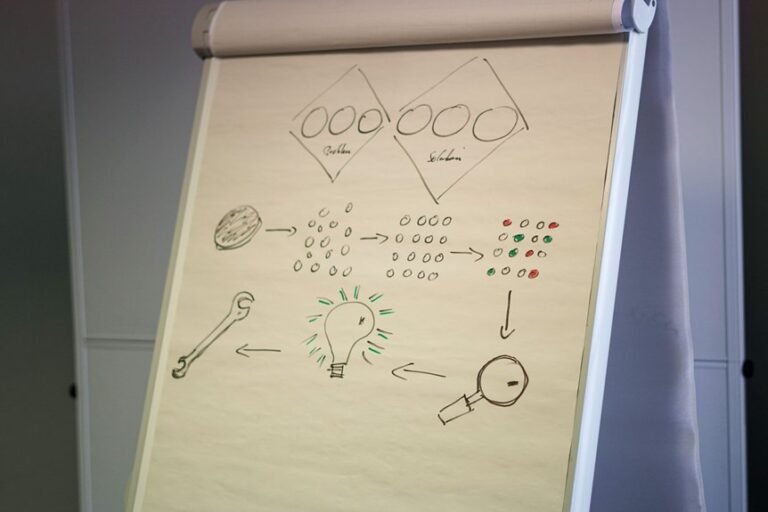
To address persistent problems, a clear, repeatable framework is established that guides the reader from observation to resolution. The approach emphasizes a perspective shift, inviting flexible thinking and curiosity while honoring experience.
Step-by-step: define issue, gather evidence, hypothesize, test, adjust, and document results.
Resource mapping identifies tools and support, ensuring accessible solutions and respectful progress toward lasting, autonomous resolution.
Build a Personal Prevention Plan to Stop Recurrence and Burnout
Building a Personal Prevention Plan to Stop Recurrence and Burnout involves translating lessons from past challenges into concrete, proactive steps that sustain well-being and performance over time.
The report outlines a problem solving mindset, structured routines, and burnout prevention measures that respect autonomy, map priorities, and preserve energy.
It remains compassionate, nonjudgmental, and practical for readers seeking freedom and sustainable progress.
When to Seek Help: Signals You’re Ready for External Support
When should someone consider external support? Signals arise when persistent issues limit daily function, cause ongoing distress, or stifle progress toward goals. The evaluation is factual, not judgmental: fatigue, recurring setbacks, and blocked problem-solving indicate help may be beneficial. Two word discussion ideas: seeking guidance, external support. This approach honors autonomy while inviting compassionate, structured collaboration for healthier momentum.
Frequently Asked Questions
How Can I Measure Real Impact Beyond Immediate Symptoms?
Measured outcomes require tracking over time, not just symptoms. The approach considers baseline benchmarks, consistent data collection, and qualitative feedback, revealing long term impact. It remains empathetic, nonjudgmental, and structured, supporting an audience desiring freedom through informed, balanced evaluation.
What Mindset Changes Prevent Fatigue During Persistent Issues?
A tested theory suggests a mindset shift reduces fatigue during persistent issues by reframing challenges as manageable, promoting resilience framing and energy management, which supports sustained effort, steady recovery, and a freer, more empowered approach to problem-solving.
Which Data Points Best Signal Recurrence Risk?
Recurrence indicators include rate changes, episode frequency, and trigger consistency, while long term trends reveal persistent patterns; the analysis remains empathetic, structured, and nonjudgmental, offering insights for an audience desiring freedom and proactive problem-solving.
How Do I Prioritize Self-Care Without Slowing Progress?
“Beginner’s luck” is false; balance matters most. The reader prioritizes self care prioritization to sustain momentum, enabling sustainable progress. The approach remains empathetic, structured, nonjudgmental—allowing freedom while guarding against burnout and preserving long-term momentum.
When Is External Help More Effective Than DIY Fixes?
External help proves more effective when complexity exceeds DIY balance, as risk assessment and long term monitoring favor professional insight; however, smart collaboration preserves autonomy, ensuring the process maintains freedom while integrating practical steps.
Conclusion
Persistent problems demand a calm, methodical response: gather observable facts, follow a clear troubleshooting framework, and implement a personal prevention plan to sustain energy and resilience. By documenting what happens, when, and how it affects daily life, patterns emerge that guide effective action. The process stays compassionate and nonjudgmental, honoring experience while inviting small, testable steps. When patterns persist, seeking external guidance completes the loop. Will readers choose clarity over chaos and act with steady intention?